Projects
Projects
Indicative ProjectsTo convey the depth and breadth of our experience and capabilities across states, species, services and sectors we have included a selection of indicative projects below.
|
Airfield Wildlife Hazard Management Plans
|
|
|
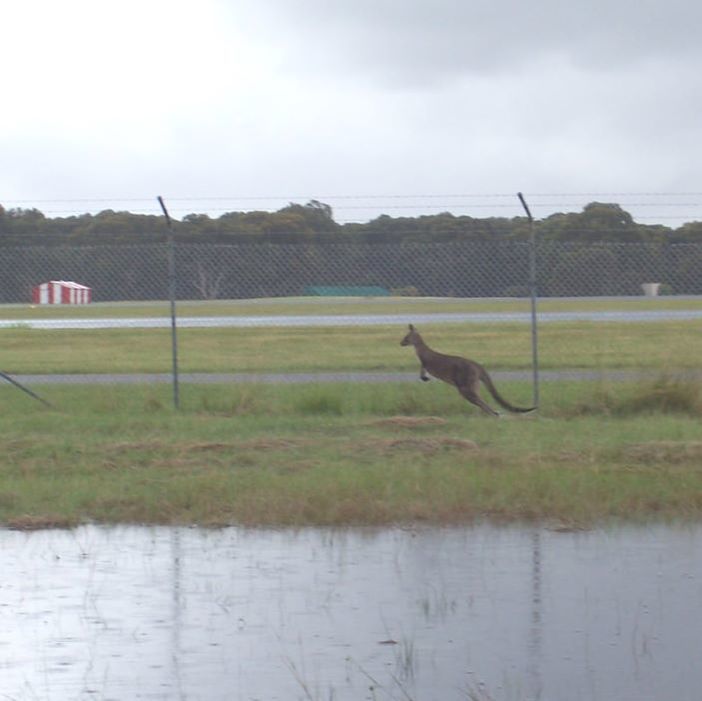
Wild Science was contracted to develop Wildlife Hazard Management Plans for five Defence airfields in the Northern Territory.
The plans identified and ranked wildlife hazards around and near the airfields, and included recommendations to minimise the risks posed by identified hazards. The WHMPs also included the detailed procedures and actions required to mitigate the airfield wildlife hazards. |
Scope:
|
Flying Fox Management
|
|
|
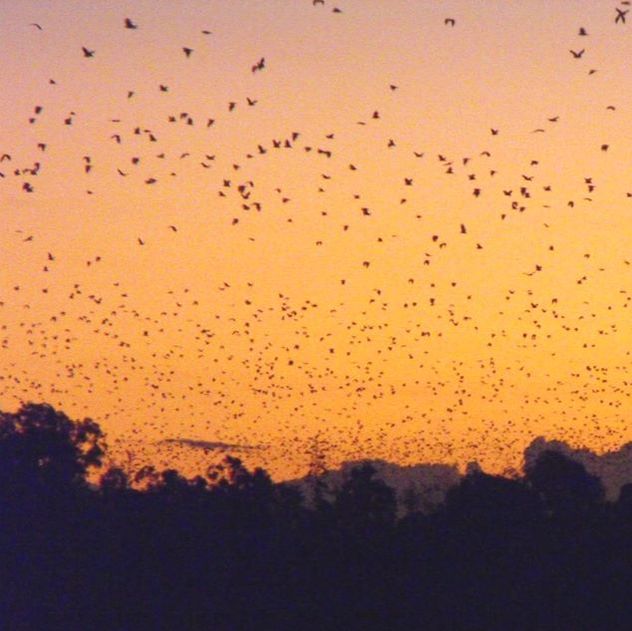
Wild Science was contracted to re-locate 300,000 Little Red Flying-Foxes in 2009 from RAAF Base Tindal and again in 2011 to re-locate a colony of 500 Black Flying-Foxes.
Since 2011 Wild Science has been contracted to develop and manage the recurrent Flying-Fox Management Program at RAAF Base Tindal. During this period there have been incursions of small numbers of both Little Red Flying-Fox and Black Flying-Foxes. The presence of flying-foxes can cause potential hazards to airside safety, public health issues for residents and damage to infrastructure. Maintenance of the management program includes ongoing review of current information on management methodologies and conservation issues. |
Scope:
|
Feral Pig Management
|
|
|
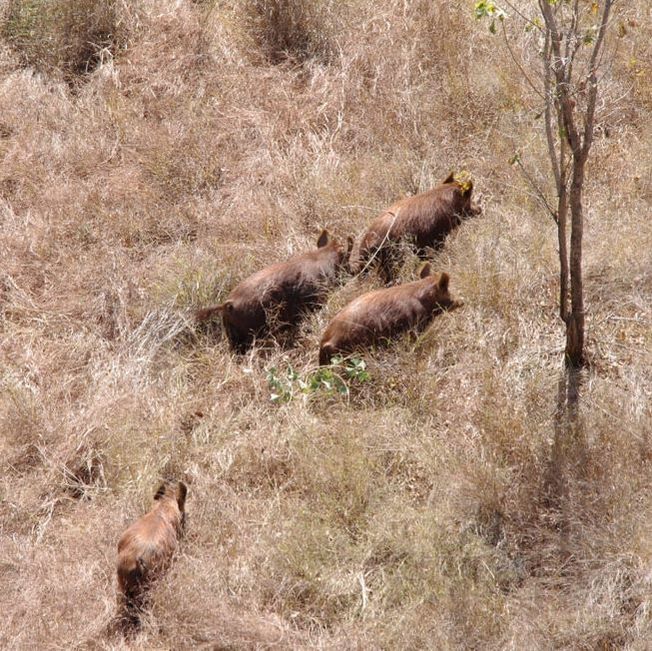
Wild Science was engaged by TNRM to undertake feral pig management in the Finniss Reynolds River catchment in conjunction with a Mimosa pigra weed management program on large pastoral and indigenous land holdings (~3,700Km2).
Wild Science was responsible for designing a management program that made maximum use of limited funds for monitoring and control. We did an aerial survey to provide abundance and distribution information that was used to plan control effort and then to monitor control performance. Wild Science has also done aerial humane lethal control work over the period 2013-2017. Data from the aerial survey and culling operations each year was used to predict and plan the annual effort for recurrent management. The object of this program was to achieve a measurable reduction in feral pig abundance. |
Scope:
|
PNG Wildlife Sanctuary Re-establishment Project
|
|
|
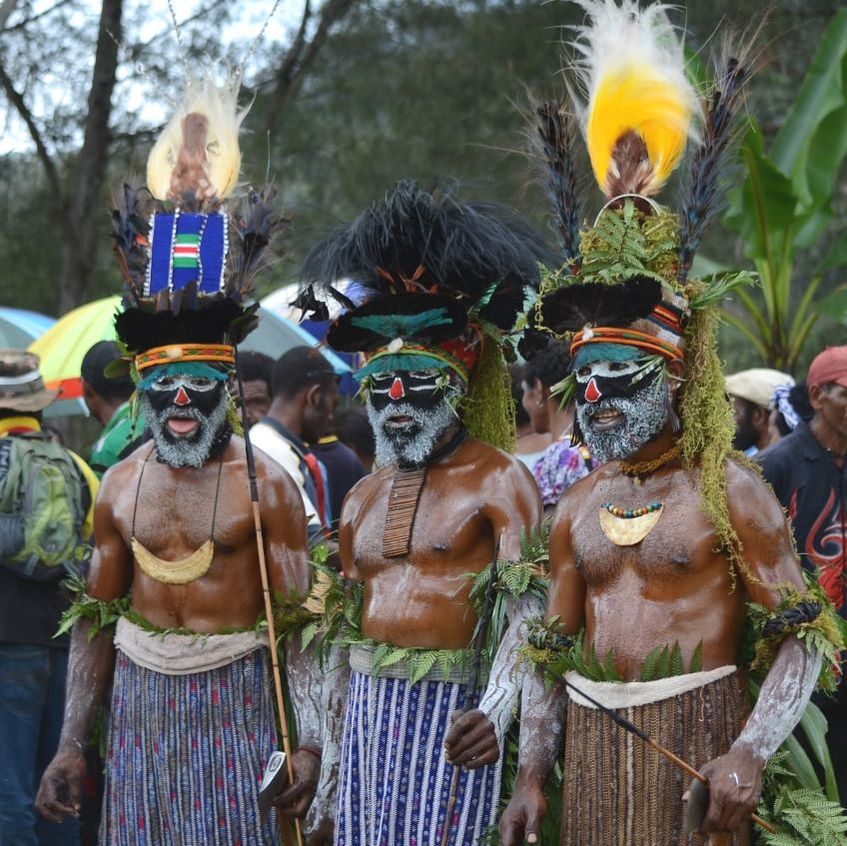
Wild Science was engaged to work with the Mul Baiyer Lumusa District Administration in the Western Highland province to investigate the potential for re-establishing the Baiyer River Wildlife Sanctuary.
The re-establishment of the sanctuary was part of a broader effort to provide economic opportunities, employment and sustainable local business developments to the Baiyer area. The aim was to re-establish the Sanctuary as a world-class area of conservation, a tourist drawcard, and a zoological research institution of excellence. |
Scope:
|
Indigenous Land Management Ranger Training
|
|
|
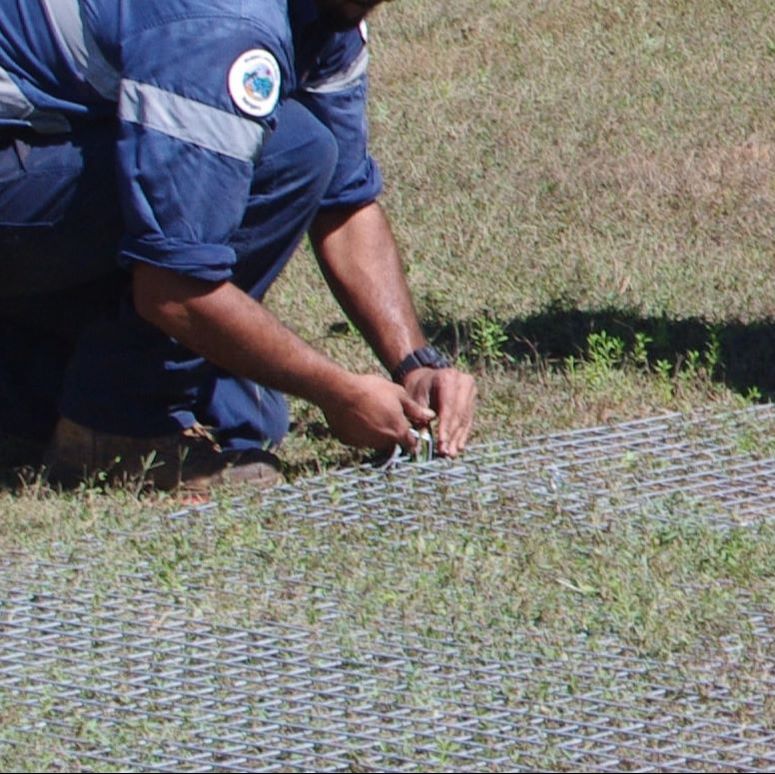
Wild Science has been contracted by various organisations such as Territory Natural Resource Management, the Northern Land Council and Kakadu National Park to provide ranger training and assistance for feral animal management programs on Indigenous land areas.
Wild Science has worked with Traditional Owners and Indigenous ranger groups in aspects of design and implementation of feral animal strategies. Training has included the design of monitoring programs, data collection and how this data can be used to monitor impacts of management work of target species, as well as training in using various control techniques such as trapping for feral pigs. |
Scope:
|
"Protecting Vulnerable Land from High Wallaby Densities" Research Project
|
|
|
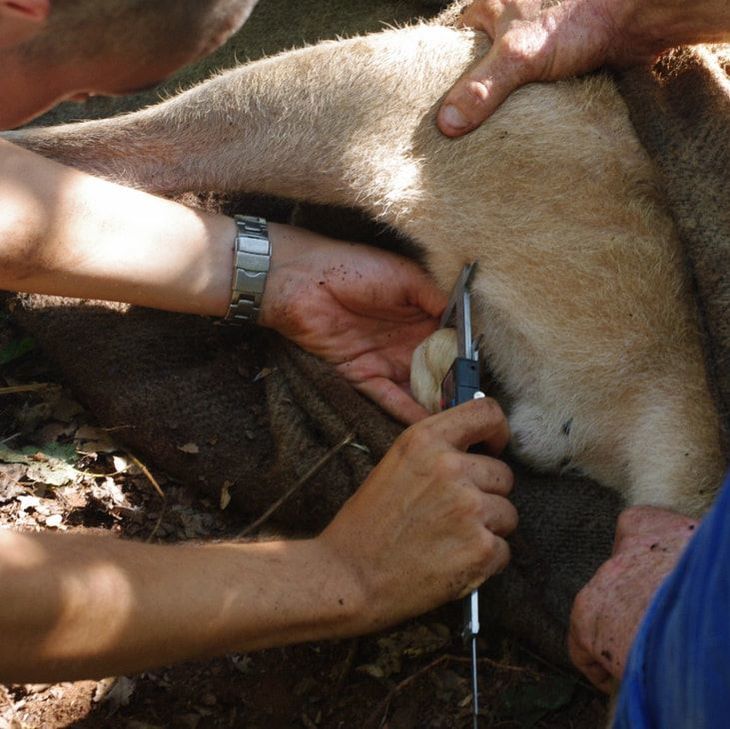
As part of the Protecting Vulnerable Land from High Wallaby Density project, Wild Science was contracted by Charles Darwin University to provide field expertise and logistical support to Dr Miguel Bedoya-Prez and his team during the field trials at Douglas Daly region in the NT.
The project aims include assessing agile wallaby densities and develop guidance on future cost-effective management options, determine the environmental effects of high wallaby densities and determine if wallaby control should be undertaken in native habitat areas. This research project was funded by Territory Natural Resource management and Meat & Livestock Australia and was conducted through the Research Institute for the Environment & Livelihoods (RIEL)at Charles Darwin University (CDU). Read more about this project at Dr Bedoya-Perez's project page on the RIEL website. |
Scope:
|
Biosecurity and Overabundant Native Species
|
|

|
The Australian Government Department of Defence in 2008 introduced the Management of Biosecurity and Overabundant Native Species Risks on the Defence Estate: National Guidelines (BONS Guidelines).
In 2008 and 2010 Wild Science was contracted to assist AECOM (formerly HLA/ENSR) in the writing of sections primarily Overabundant Native and Pest Animal Management for the BONS technical pamphlets. The primary purpose of the BONS guidelines are to ensure consistent and effective management of BONS across the entire Defence Estate. |
Scope:
|
Multiple Species Feral Animal Management
|
|
|
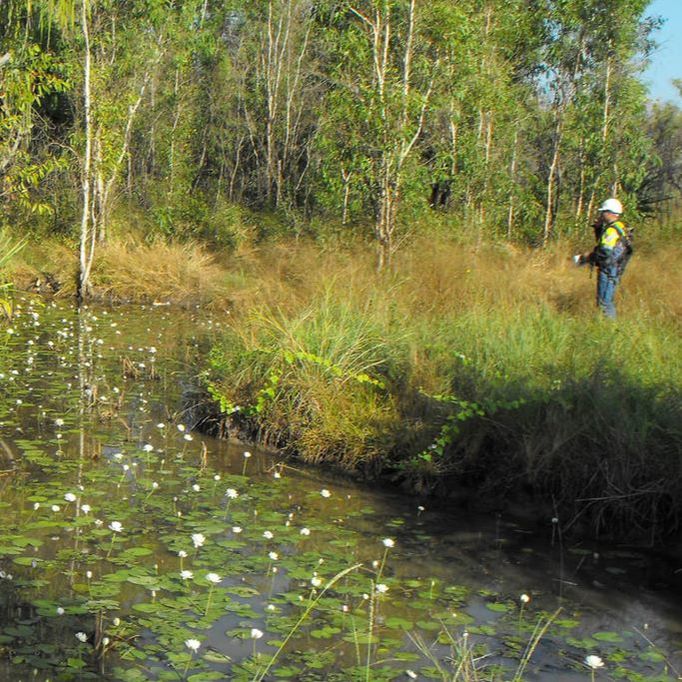
Wild Science has worked for several mining and resources companies to conduct baseline surveys and monitoring and develop pest management plans for various species of feral animals including feral pigs, feral cats and wild dogs.
Wild Science has also implemented management action including ethical lethal control on mine sites to reduce the environmental impacts of feral animals. |
Scope:
|
Overabundant Pest Animal Management Programs
|
|
|
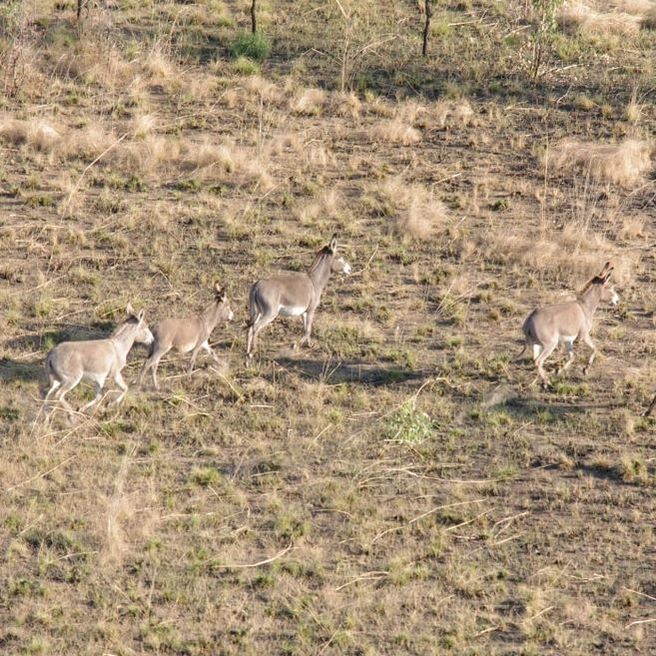
Wild Science has been involved with Overabundant Pest Animal Management Programs on Defence Estates since 1996 across three states - Western Australia, Northern Territory, and Queensland.
The integrated management approach we developed for these programs is consistent with the now nationally accepted “best practice” approach to the management of large feral animals. Wild Science has been involved with consultation briefs prior to programs being initiated to gain stakeholder support including bodies such as the RSCPA. |
Scope:
|
Feral Animal Assessment in Gouldian Finch Management Zone
|
|
|
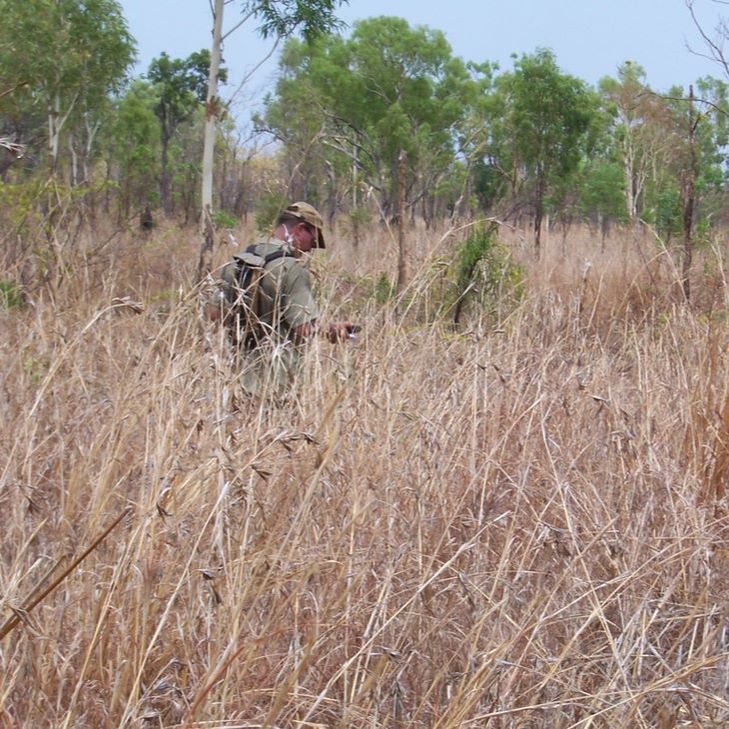
Wild Science assisted AECOM (formerly HLA) to provide Defence with a feral animal assessment in a Gouldian Finch Management Zone on Bradshaw Field Training Area.
The Wild Science component was to conduct surveys for feral pigs, large feral animals and feral cats and assess their impacts. This involved ground and aerial population assessments. |
Scope:
|
Flora River Crocodile Survey
|
|
|
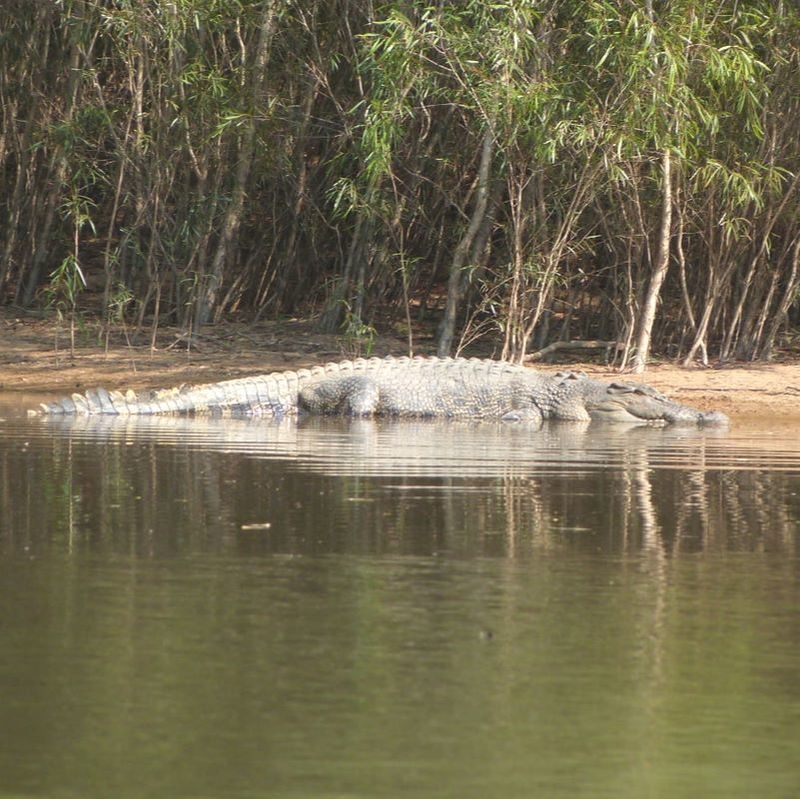
Wild Science was engaged through an internationally recognised Wildlife Management company to conduct aerial and spotlight crocodile surveys on the Flora River.
We also undertook consultations with stakeholders and produced an assessment report of the potential risk of crocodiles in the area. |
Scope:
|
Wild Dog Management & Feral Cat Monitoring
|
|
|
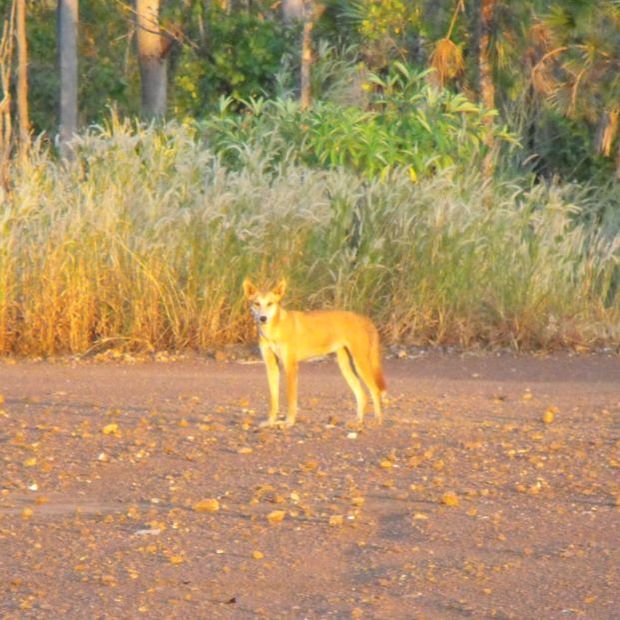
Wild Science has been contracted by many local councils to address pest animal problems in urban and peri urban environments over many years.
This work has ranged from initial feral cat monitoring to problems with wild dog populations impacting of residential properties and domestic pets. Feral cats are having an increasing impact on our native mammals and reptile species. |
Scope:
|
"Reducing the Cost and complexity of Establishing 'Judas' Animals" Research Project
|
|
|
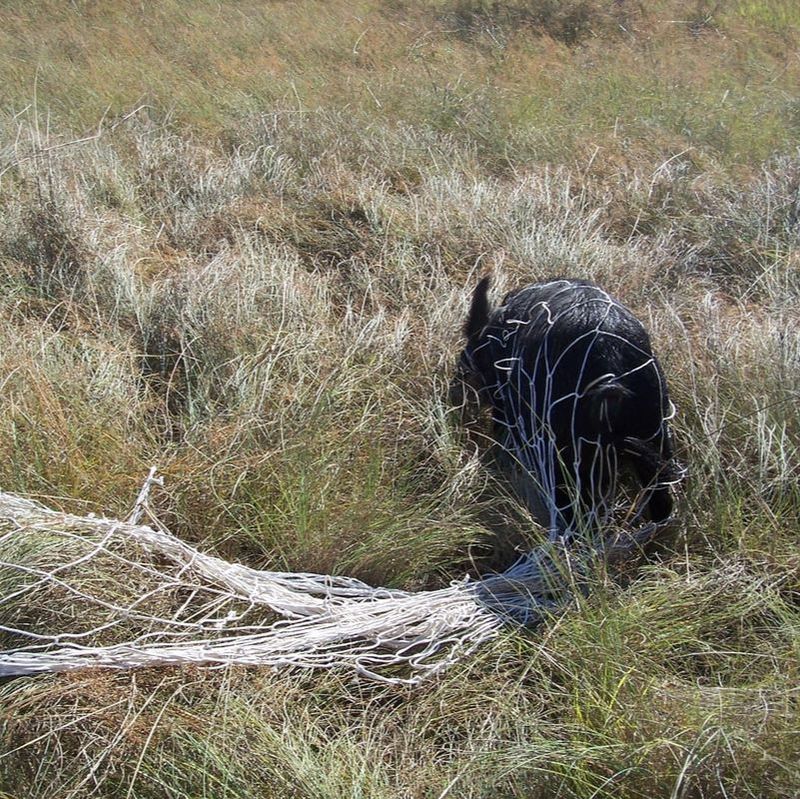
As part of the Reducing the Cost and Complexity of Establishing 'Judas' Animals research project, Wild Science has been contracted by Charles Darwin University to provide field expertise and logistical support to Dr Hamish Campbell and Shandala Loving during field trials.
The aim of the project is to trial and develop cheaper and simpler to use animal locating technology for Judas animal pest control applications. Read more about this project at Dr Hamish Campbell's project page on the RIEL website. |
Scope:
|
Agile Wallaby Management
|
|
|
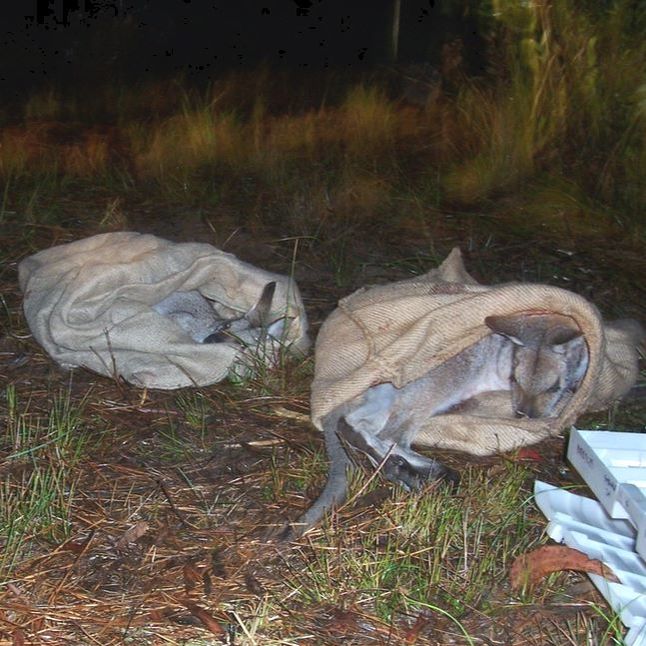
Wild Science An increasing Agile wallaby population within the Operational Area of RAAF Base Tindal resulted in an increasing safety risk to military and civilian aircraft.
Since 2007 Wild Science has been contracted to develop and implement a recurrent Agile Wallaby management program. The program has included developing an accurate monitoring tool, use of various humane lethal and non-lethal control methods. The purpose of the program is to mitigate the risk to Defence capacity, to the safety of RAAF and civilian aircraft and to Defence reputation posed by wallabies in the airfield area of Area A. Wild Science has reduced the airside wallaby population by 95% of its original size. |
Scope:
|
WA Parks & Wildlife
|
|
|
Wild Science conducted an aerial assessment of feral animals on King Leopold Range Conservation Park. This included aerial surveying of large feral animals and feral pigs.
|
|